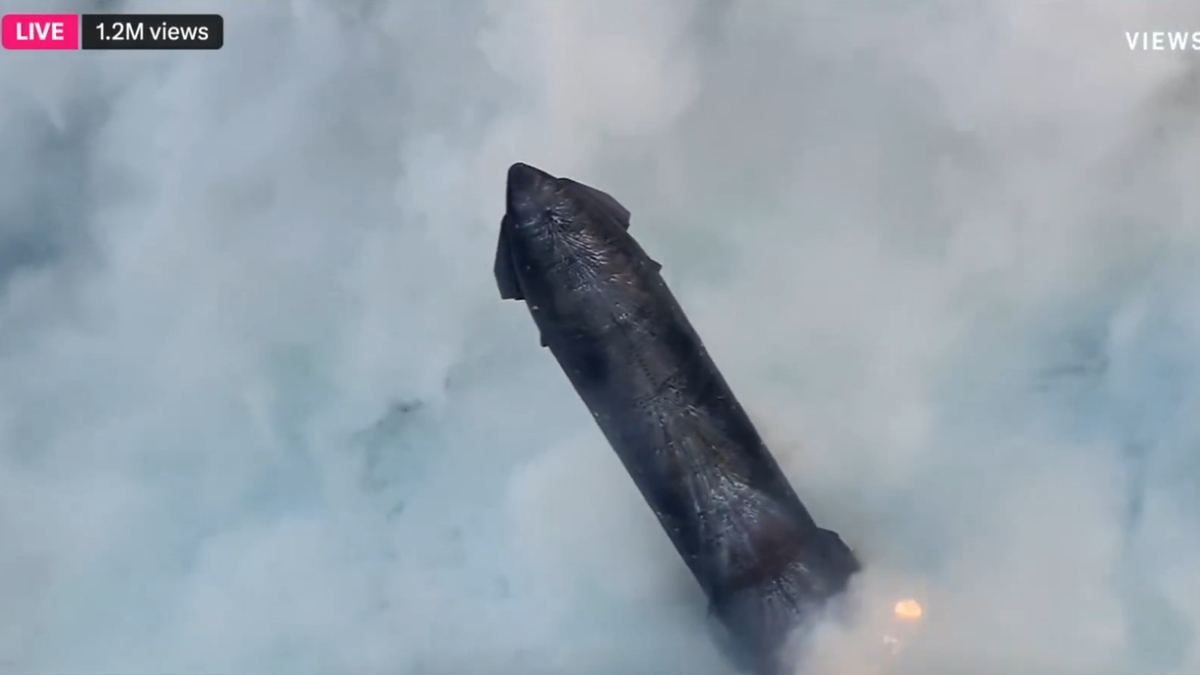
The 12ème vol test of the ship Starship of SpaceX, first release for version V3, ended with a controlled but explosive water landing in the Indian Ocean.
Despite engine failures on the Super Heavy booster and the spacecraft, the mission successfully deployed dummy satellites and survived intense atmospheric reentry, validating critical milestones for SpaceX and NASA.
This twelfth test flight was closely scrutinized, not only for its technical advances but also because it represents a pivotal step in the race to the Moon and the financial ambitions of Elon Musk’s company, which is preparing a record IPO. The mission aimed to push the 121 meter monster to its limits.
How did this test flight actually go?
The Starship V3 successfully completed its controlled landing in the Indian Ocean despite the failure of one of its six Raptor engines (the powerful engines of SpaceX running on methane).
This performance was greeted by shouts of joy in the control room because surviving atmospheric reentry was one of the major objectives. However, everything has not been perfect, far from it.
The first stage, the booster Super Heavyexperienced multiple engine misfires after his separation, preventing him from carrying out his ” boost back burn » (the return maneuver) and causing it to fall back into uncontrolled mode in the Gulf of Mexico.
The Starship itself, deprived of an engine, was unable to reach its nominal orbital trajectory and had to cancel a crucial in-flight relight test. Despite these glitches, it deployed its 22 dummy satellites and offered spectacular images, before a final dive which ended with an expected explosion on contact with water.
Why is this Starship test so vital for NASA?
NASA has its eyes on every Starship launch because the US space agency has staked part of its programme Artemis on this machine. It is a modified version of the Starship which must serve as a lander to deposit the astronauts on the moon by 2028.
This test, even imperfect, demonstrated the robustness of the heat shield and the ability of the vessel to control itself during the descent, essential points for the safety of the crews.
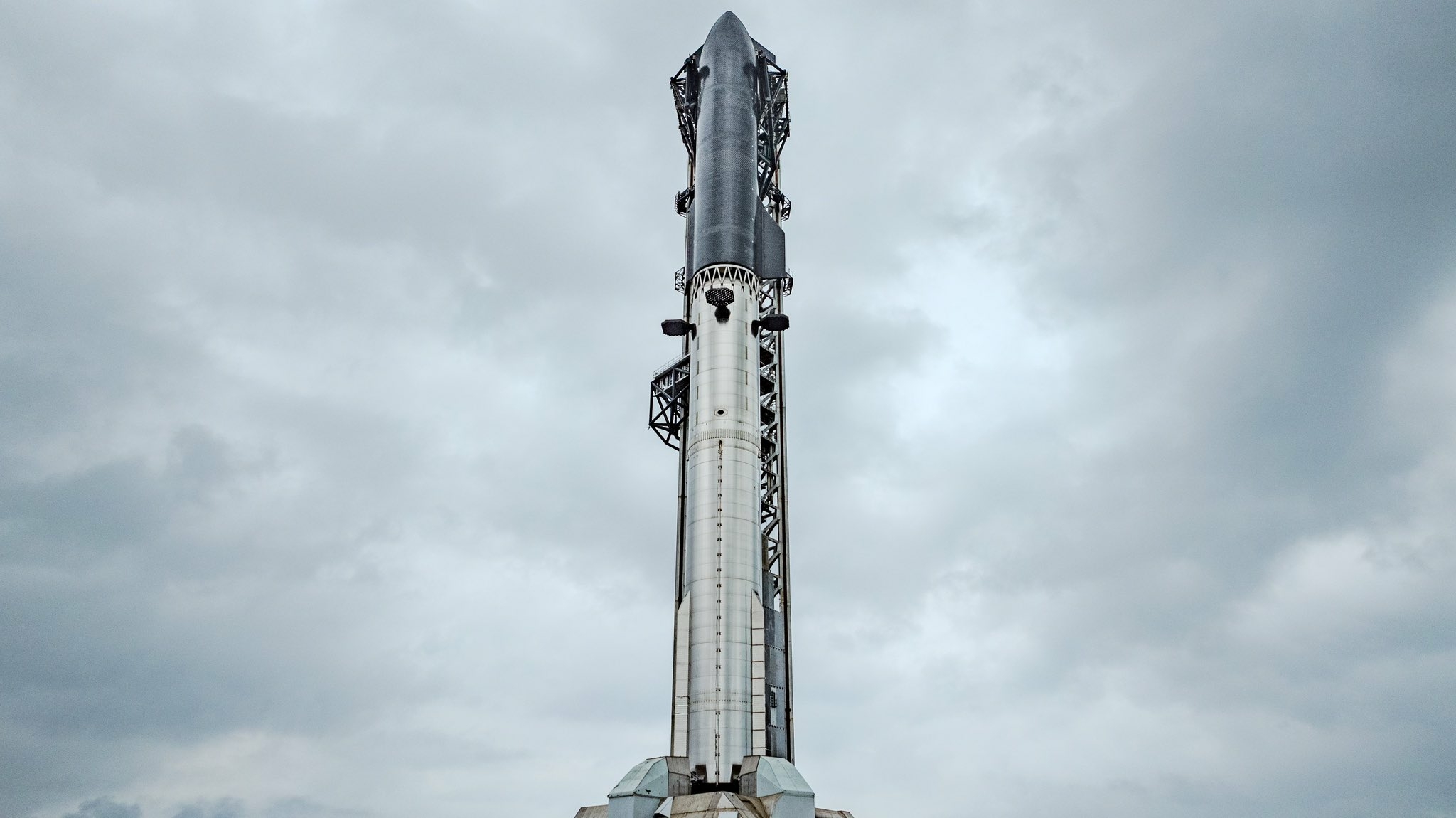
However, the pressure is immense. Internal NASA reports have already highlighted the “challenges” and “technical risks” associated with Starship’s complexity.
The agency even warned that it would use the first ready lander, whether that of SpaceX or that of its competitor Blue Origin, placing the two firms in a fierce competition.
Each successful test flight, even partially, is therefore a breath of fresh air for SpaceX, which must prove the reliability of a device on which the return of humans to lunar soil depends.
What are SpaceX’s ambitions beyond the Moon?
For SpaceX, however, the Moon is just a step. The final objective, hammered out by Elon Musk for decades, rest of Mars. But before the red planet, the company must build a viable economic model.
The Starship is the keystone of this strategy: it must make it possible to deploy hundreds of Starlink satellites new generation in one go thanks to a drastic reduction in costs and by increasing the profitability of its internet branch, the only profitable one to date.
Documents related to the future IPO of the company in a few weeks reveal colossal spending on R&D, nearly $3 billion in 2025 just for this program.
The Starship is also presented as a future system of transport by land hypersonic which can connect London to Hong Kong in 34 minutes. But it will be necessary to demonstrate that the technology is ready and mature.