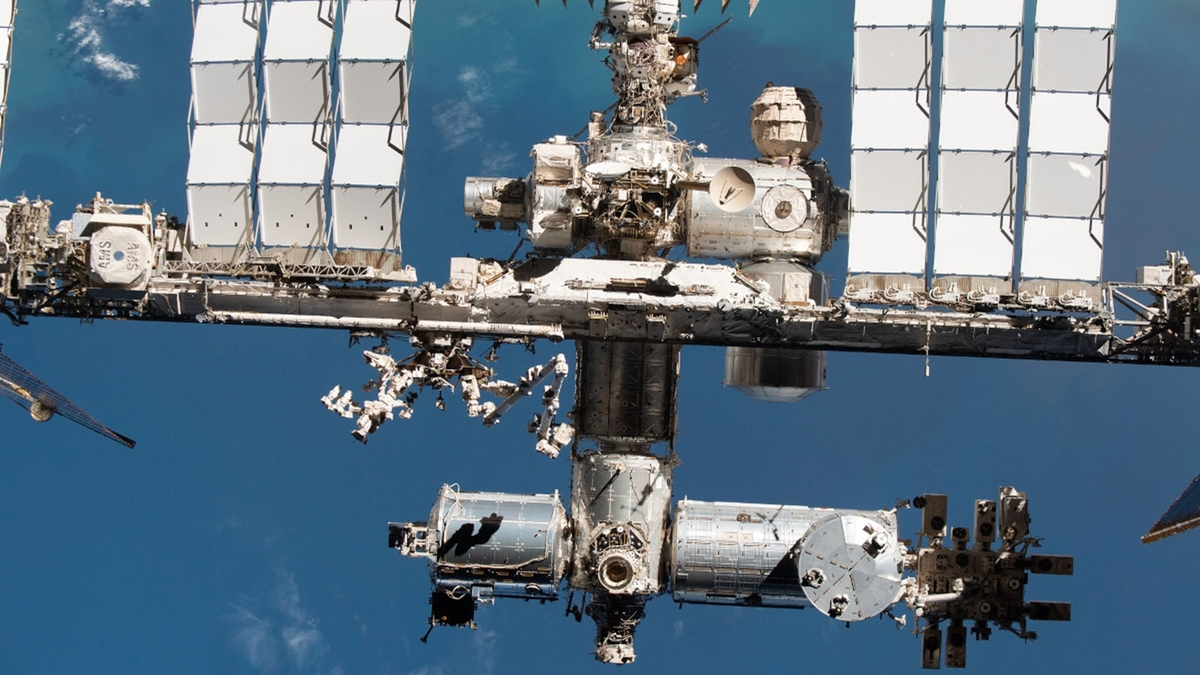
This Friday, routine aboard the largest artificial object in orbit, the International Space Station (ISS), was abruptly interrupted. Five of the seven ISS crew members ordered to confine themselves to their ship SpaceX Dragondocked at the station.
This procedure, called “ safe haven » (emergency containment procedure), prepares the crew for a disaster scenario : the need to unmoor and flee the station if its structure were to be compromised.
The cause of this rise in tension? A persistent air leak, located in the transfer tunnel PrK of the Russian segment, which suddenly doubled in volume. The emergency procedure was triggered by a repair attempt deemed risky by NASA. The operation was finally suspended by the Russian space agency Roscosmos, allowing a return to normal.
Why did the astronauts have to take refuge in their capsule?
NASA did not want to take any risks with the repair method envisaged by its Russian counterparts. The confinement order was given because the two cosmonauts in charge of the intervention were preparing to use a saw to cut a metal support and access the crack.
This approach, potentially dangerous for the integrity of the hull, was perceived as a unacceptable risk by the Houston control center which preferred to put its astronauts safe in their orbital “lifeboat”.
The Dragon ship, much more than a simple space taxi, becomes in these situations a real survival capsule, ready to detach at any time to bring its crew back to Earth.
The fact of ordering the crew members to put on their spacesuit shows how seriously the situation was taken. While the Russians prepared their intervention, the Americans, French and Japanese stood ready to abandon ship in the event of disaster.
What was the origin of this air leak on the ISS?
This leak is not a surprise, but rather an old wound that refuses to heal. Identified in 2019, this series of micro-cracks in the Zvezda modules is a constant source of concern.
Pressure loss, once minimal and managed by temporary patches, has recently worsened, from about 450 grams per day to almost a kilogram. The arrival of a Russian cargo ship last month appears to have worsened the situation, prompting Roscosmos to plan a more radical repair to seal the air leak.
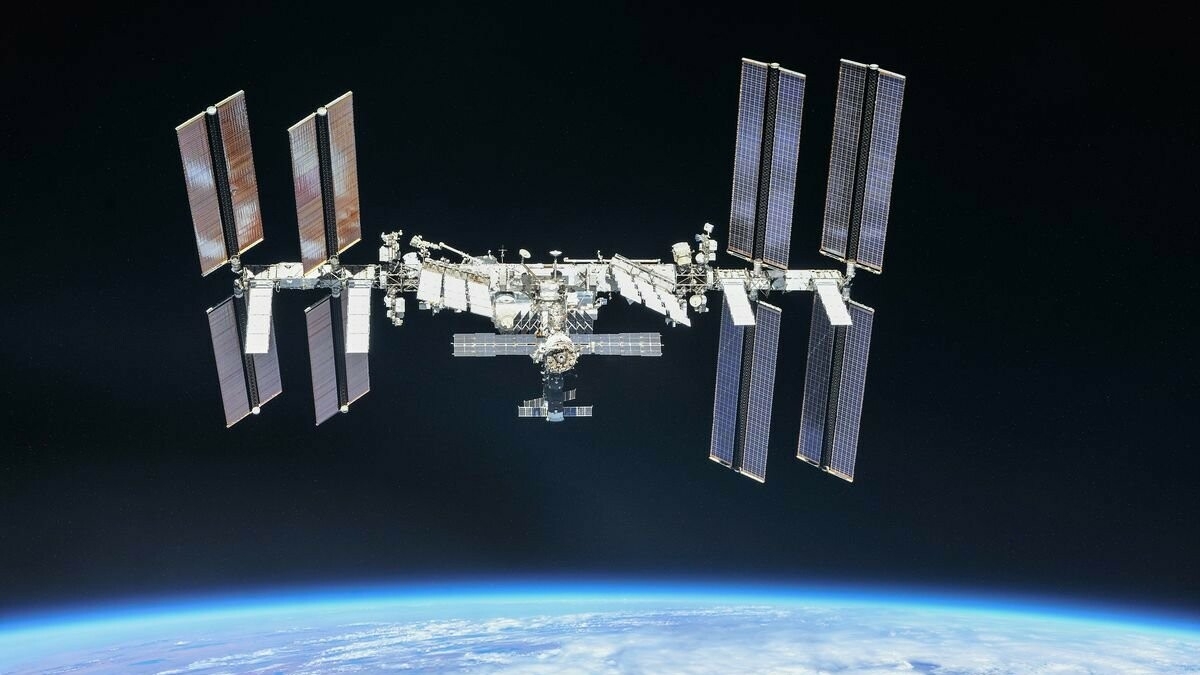
This “phantom whistling”, as space veterans describe it, is one of the risks of the job. Former Commander Chris Hadfield recalled that the station naturally loses some air every day.
However, when this loss reaches a critical threshold, it becomes a direct threat for the survival of the crew and the integrity of the station. The decision to intervene is necessary but the method chosen revealed a divergence of approach between the two main partners of the program.
Was the repair a failure or just a pause?
Faced with concerns raised by NASA, the Russian agency Roscosmos finally decided to suspend cutting operation. The Russian agency preferred to carry out new measurements and data analyzes before any structural intervention.
This decision, described as “ strongly supported » by NASA, helped defuse the immediate crisis. The alert was lifted and the astronauts were able to leave the Dragon capsule to resume their normal activities.
However, this incident highlights a palpable tension in space collaboration. Roscosmos’ initial decision to use a method deemed too brutal by NASA, without apparent consultation, is akin to a dialogue of the deaf at an altitude of 400 km.
Although the pause was a beneficial decision, it does not resolve the basic problem: the crack is still there and the two agencies must now agree on a common and secure strategy to repair it sustainably.
What are the next steps for the Space Station?
The immediate future of International Space Station relies on the ability of NASA and Roscosmos to find common ground. Collaboration is essential to define and execute a repair that ensures everyone’s safety.
This event is a reminder: the station is getting old and its maintenance is becoming an increasingly complex technical and diplomatic challenge. The basic problem remains and must be corrected with a unified approach.
Beyond the technical aspect, this episode questions the solidity of the international partnership in a tense geopolitical context. The reliability of theISSsymbol of post-Cold War cooperation, depends on mutual trust between its operators.
Each crisis, even technical, is a test for this orbital alliance before the end of operations planned for the beginning of the next decade and the deorbiting of the International Space Station, subsequently replaced by private orbital stations.