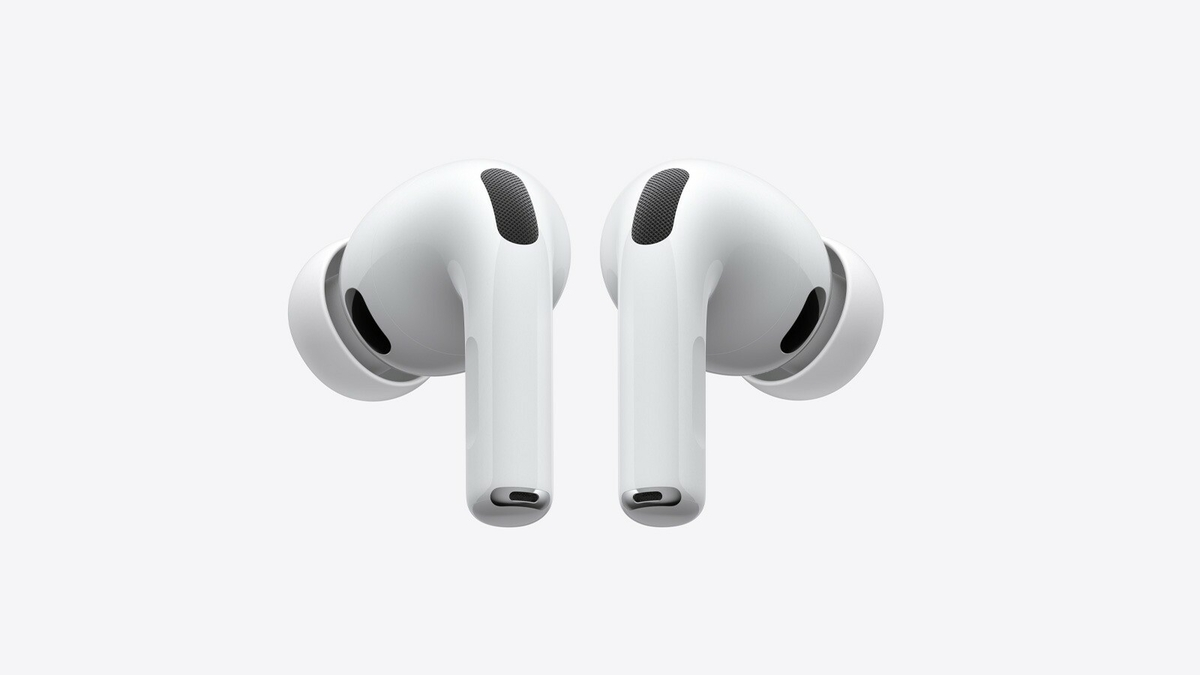
Long requested by users, audio personalization is finally arriving on the Cupertino company’s headphones. During his conference WWDC 2026the brand has formalized the integration of an equalizer, or “Custom EQ”, directly in the system settings. This is a notable shift in Apple’s strategy, which has always favored unique sound signature and universal for its products, without leaving manual control to the user.
What is this custom equalizer?
Far from the complex interfaces reserved for audiophiles, Apple’s approach remains faithful to its reputation for simplicity and accessibility. In the settings dedicated to AirPodsthe user can activate a “Personalization” mode which reveals three distinct sliders. These allow you to adjust in real time the bass, mids and treblewith an animated curve that provides immediate visual feedback on the changes made.
One of the major advantages of this functionality is its application globale. Unlike older presets in the Music app, this EQ applies to all audio coming out of the iPhone. Whether you’re watching a movie, playing a video game, or listening to music on a streaming platform, your custom acoustic profile will be preserved. Total control over the listening experience is now offered.
Why this change of direction for the Cupertino company?
For years, Apple has cultivated a “ready-to-use” philosophy, where the user experience is optimized upstream to be as simple as possible. The sound quality of the AirPods, although excellent, was taxing. Meanwhile, competitors like Sony or Bose have long offered companion applications allowing very advanced sound customization.
This change in strategy shows that Apple is more attentive to the demands of its community. The firm finally recognizes that sound preferences are highly subjective. By offering direct control, even simplified, it does not deny its vision but enriches it. This helps satisfy both those who prefer the default profile and those who want a its most impactful or clearer voices, without having to go through third-party applications that often require payment.
Which AirPods are affected and when will the feature be available?
This new feature will be deployed with the final version ofiOS 27scheduled for release in fall 2026, traditionally coinciding with the launch of the new generation of iPhone. The update will of course be free for all compatible devices. Equalizer will also be available on iPadOS 27 and macOS 27 for a unified experience.
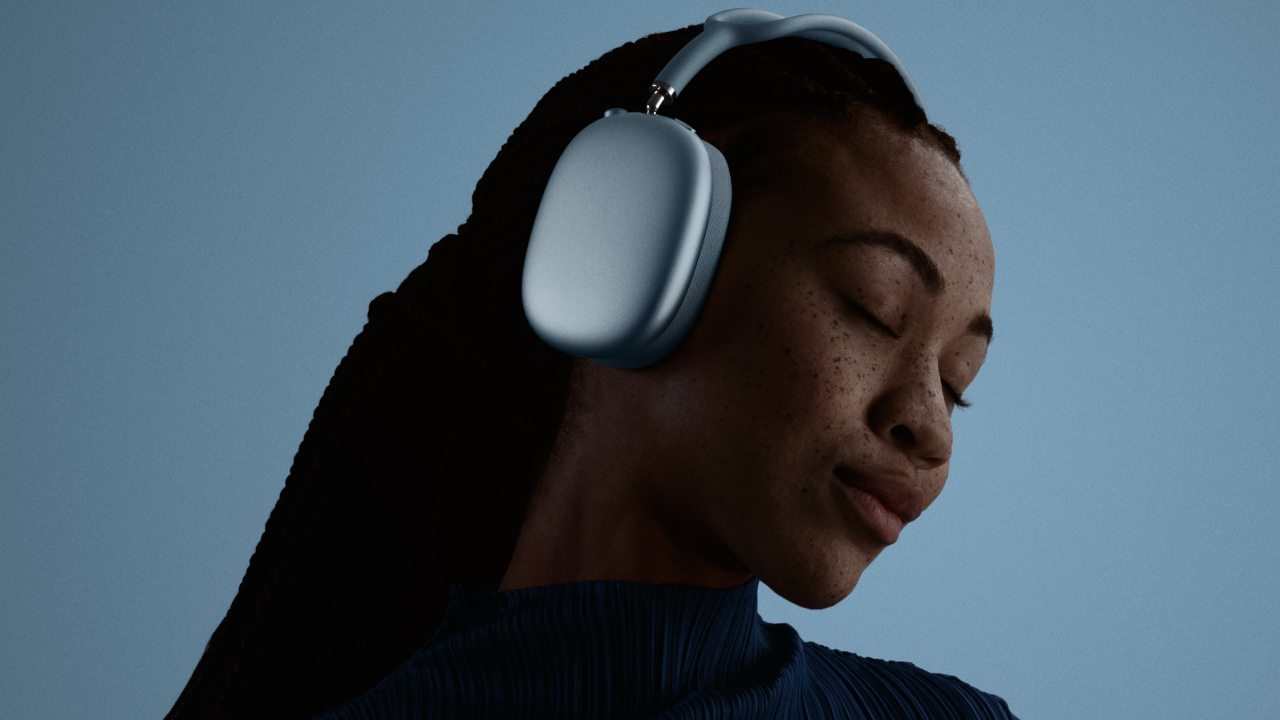
Based on information released at WWDC 2026, compatibility appears to be focused on newer models, likely those equipped with the H2 chip or more recent. The list of confirmed devices includes AirPods Pro 2 and AirPods Pro 3, AirPods 4 (standard and noise-canceling versions), as well as AirPods Max and AirPods Max 2 headphones.