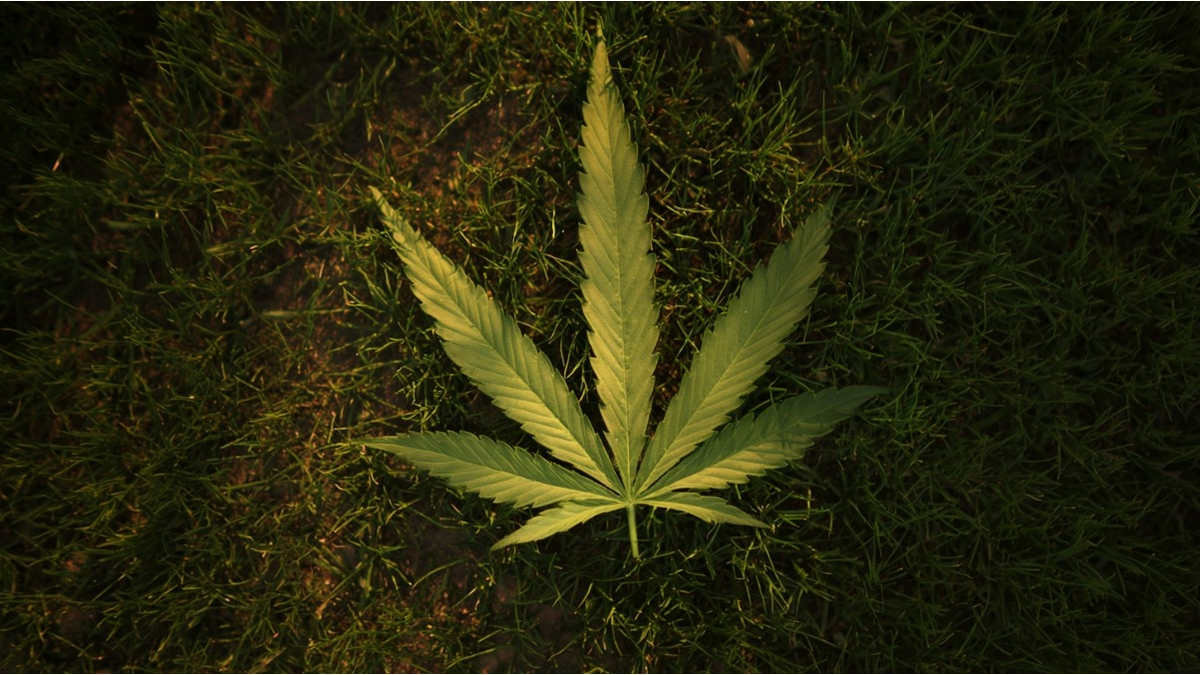
On direct orders from President Donald Trump, Acting Attorney General Todd Blanche officially signed an executive order that tilts the cannabis for medical use in a new legal dimension.
Expected for months and accelerated by a visibly impatient president, this change puts an end to more than fifty years of classification at the highest level of dangerousness.
The measure, which legitimizes the medical programs of 40 states, responds to a long struggle of the defenders cannabis who have always considered it absurd to treat it like heroin or LSD at the federal level.
Concretely, what does this reclassification from Schedule I to Schedule III change?
The change is technical, but its implications are colossal. Concretely, the decree moves the medical cannabis of the Schedule Ithe black list of substances considered to have “ no currently accepted medical use and high potential for abuse “, to the Schedule III.
It’s a world of difference. There Schedule I is the category of outcasts, that of heroin and ecstasy. A real straitjacket.
The Schedule IIIit is a much more flexible category. It concerns drugs having “ moderate to low potential for physical and psychological dependence ”, such as ketamine, anabolic steroids or testosterone.
Please note, this does not mean federal legalization or amnesty for people incarcerated for cannabis-related offenses. It’s a official recognition of its medical usefulnessa first step which finally aligns federal law with the reality of the majority of American states.
Why is this decision coming now?
The decision is the direct result of a political acceleration desired by Donald Trump. The review process was initiated under the Biden administration but the Republican president publicly complained that his officials “ dragged their feet ».
In December, he signed a decree to speed up the procedure, and this signature from Todd Blanche is the result. Figures like the Republican operator Roger Stone had underlined the importance of this measure to attract the young and libertarian voters before the midterm elections.
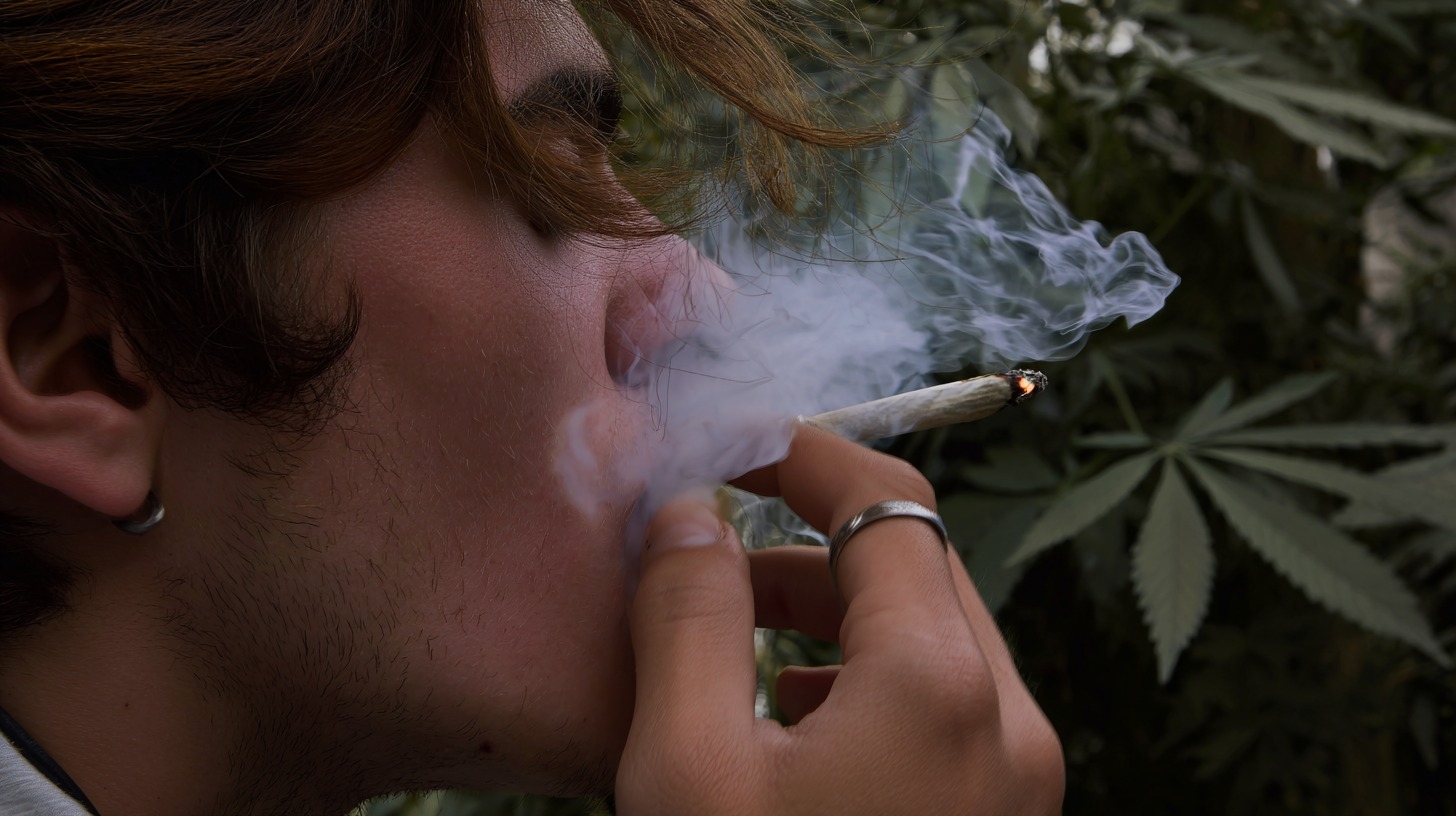
This shift is also a pragmatic whistleblower. He brings order to a untenable legal patchworkwhere a billion-dollar industry operated in a gray area, legal at the state level but illegal at the federal level.
The government thus recognizes the solidity of the regulatory frameworks put in place by the States. Maybe this is where the real game is at stake : legitimize an industry without opening all the floodgates of recreational use at the national level.
What are the direct consequences for industry and science?
For businesses, this is a monumental breath of fiscal oxygen. Until now, as a Schedule I substance, cannabis businesses could not deduct any business expenses from their federal taxes.
It is a crushing financial handicap which will disappear by suddenly offering them profitability and investment capabilities tenfold. This is an unexpected economic boon for a sector in full expansion but restricted by law.
Scientifically, it is the end of an ice age. The barriers to medical research will fall. Scientists will be able to much more easily obtain products to conduct rigorous studies on the effectiveness and safety of cannabis, without fear of wrath of the DEA (Drug Enforcement Administration).
This will finally make it possible to “ bridging the gap between current medical use of cannabis and medical knowledge » as a White House official pointed out. A champ d’exploration immense finally opens.
Is this measure unanimously supported?
No, and that was predictable. While the cannabis industry applauds with both hands, calling the decision “ the most significant federal advance in more than 50 years », Opponents of legalization cry scandal.
They denounce a capitulation to powerful lobbies of the industry. The camp of critics is led by voices like that of Kevin Sabet, CEO of the organization Smart Approaches to Marijuanawho sees in this measure a simple “ tax cut for Big Weed ».
For Sabet, this decision sends a “ confusing message about the dangers of marijuana to the American public “, going so far as to describe the administration as ” the most pro-drugs in our history ».
These critics point out that the potency of cannabis products has exploded in legal states and that more research is needed before relaxing the rules. The debate is therefore far from over.