

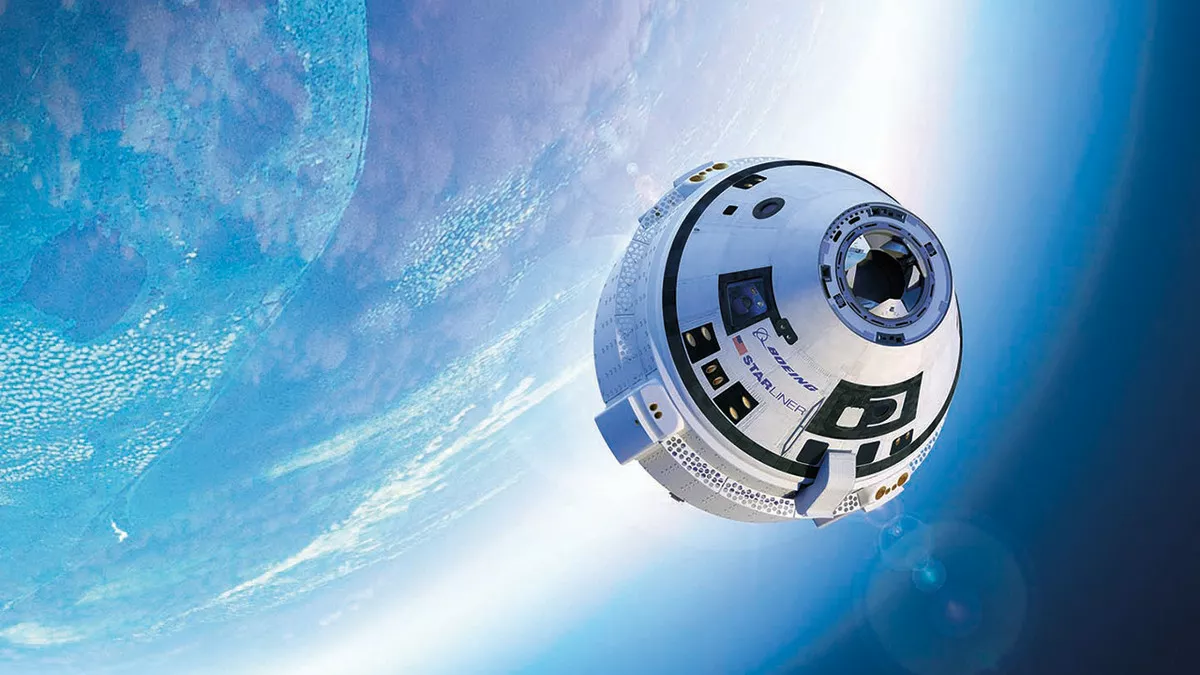
Published at the beginning of July, the audit ofOffice of the Inspector General (OIG), the internal policeman of the American space agency, dissects the management of the private manned space capsule program Commercial Crew Program.
It highlights the striking contrast between the success of SpaceX, which has been carrying out manned missions since 2020, and the stations of the cross of Boeing and its capsule Starliner.
After a manned test flight in 2024, the Crew Flight Test (CFT), qualified as “ type A mishap » (the most serious level), which saw its two astronauts repatriated by competition, the future of the Starliner is more than ever written in dotted lines.
The audit points to certification possibly being pushed back to 2027, ten years behind the initial plan.
What are the critical failures that are grounding the Starliner?
The certification of the Starliner is blocked by three major technical challenges which have become real sea serpents for engineers. The OIG audit confirms that the helium leaksTHE thruster failures of the control system and recurring anomalies of parachutes are the main obstacles.
These problems, already identified during previous flights, still do not have a definitive and reliable solution. The report highlights that these persistent technical concerns prevent the capsule Starliner to obtain human flight certification, an essential key to crew rotation missions.
The CFT mission of 2024, with its 100 anomalies and “observations” in flight, served as a painful demonstration that the vehicle is simply not not yet ready for operational service.
How do NASA and Boeing share responsibility for this failure?
The audit does not only blame Boeing but also points to NASA’s responsibility in this situation. The report denounces a “ overconfidence » of the agency in the design of Boeing, based on the use of legacy systems.
This confidence led the NASA to accept launch schedules and tests “ unrealistic », creating immense and counterproductive pressure.
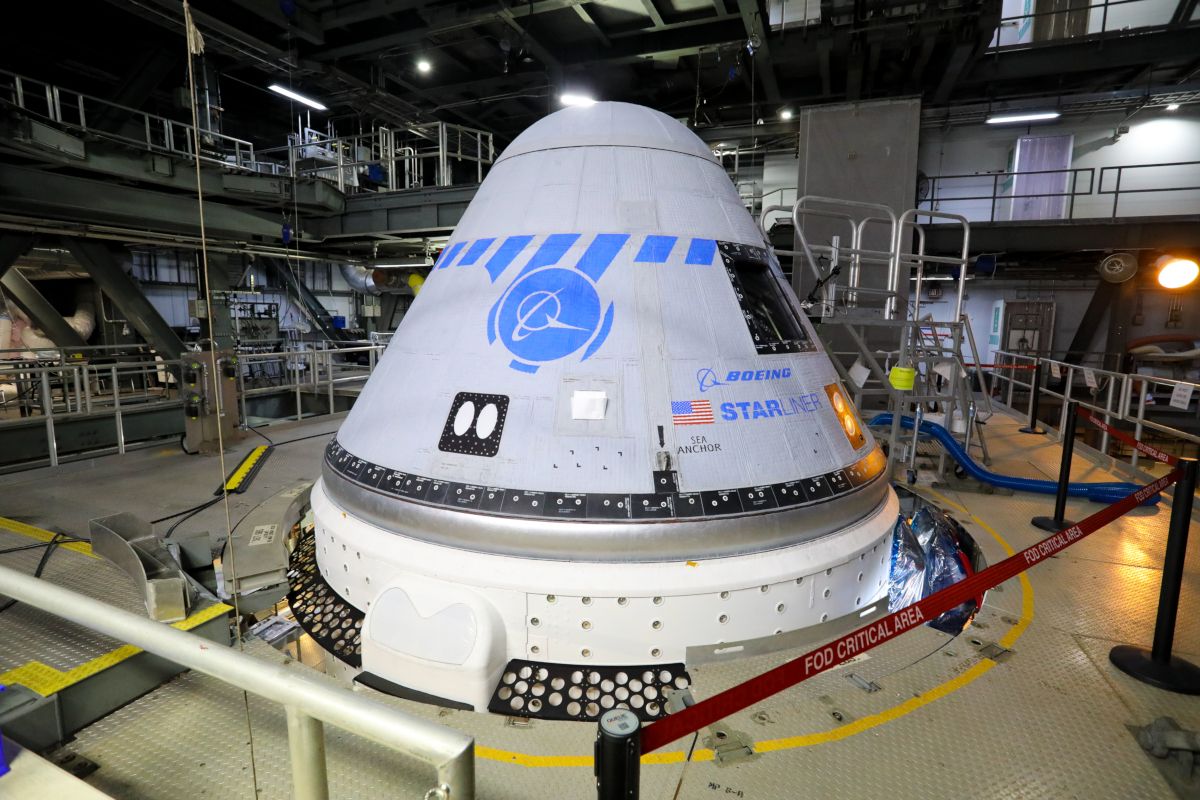
This culture of frenzied optimism has had direct consequences on security. The agency did not sufficiently exercise its data rights “, which prevented her from analyzing in depth the flight simulation failures which could have warned of the risks before the launch.
We are witnessing a textbook case where corporate culture and deadline pressure took precedence over technical rigor, an error which may prove unforgivable in manned flight.
What is the timetable now envisaged for the Starliner?
The future of the Starliner capsule is unclear to say the least and time is against it. Human certification could be postponed to 2027…if it is ever obtained. This ten year delay on the initial objective of 2017 leaves an extremely thin operating window, the International Space Station due to be retired in 2030.
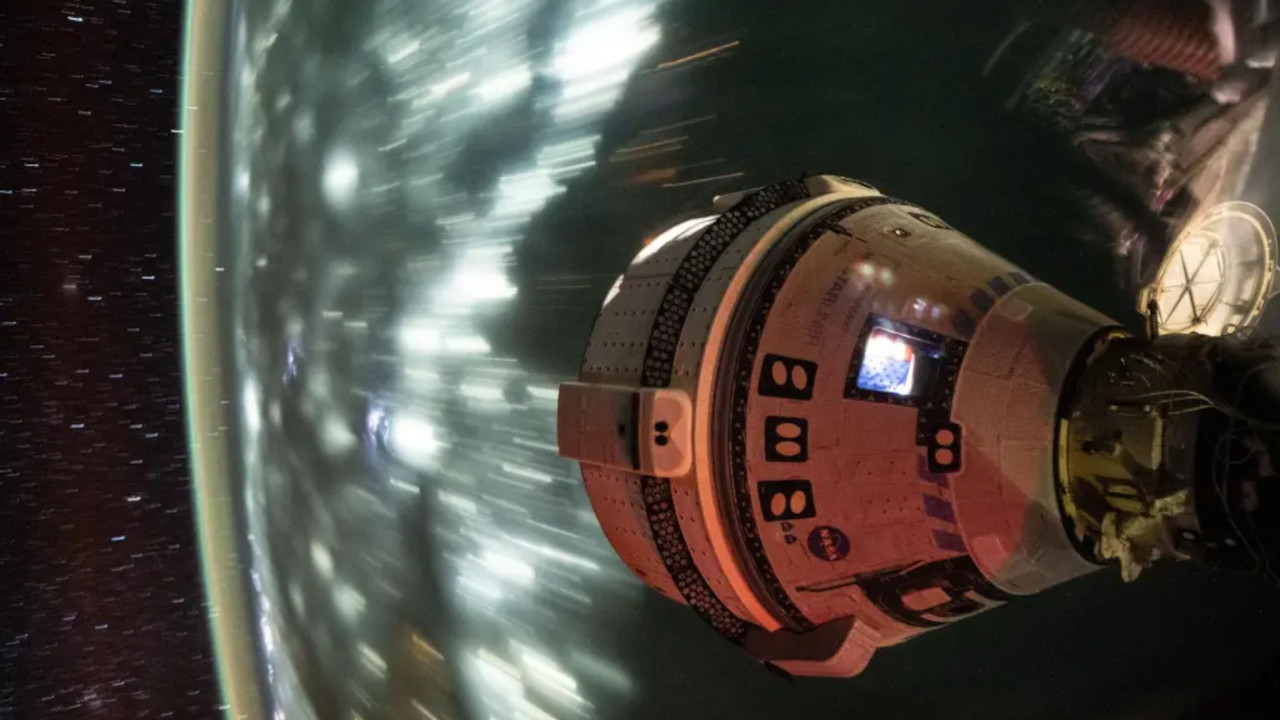
Before considering a new manned flight, NASA has decided that the Starliner’s next mission will be dedicated only to freightbut without a set launch date.
This decision, although prudent, increases costs for the agency, which will have to purchase an additional flight to SpaceX to ensure crew changeover.
What are the financial and strategic consequences for Boeing?
Pour Boeingthe pill is bitter and the financial chasm is widening. The OIG calls into question nearly $128 million of payments made by NASA for future missions “ far from certain ».
The agency has already withdrawn two of the six missions guaranteed to Boeing and reallocated them to SpaceX, reducing the value of the contract by 500 million dollars. Strategically, it is a rout.
While SpaceX has established itself as the reliable and essential partner of NASA for the transport of astronauts, Boeing, the historic aerospace giant, finds itself stuck in a project which increasingly resembles a major industrial failure.
The ” Calamity Capsule “, as some media call it, lastingly tarnishes the company’s image in the space sector, even if other projects should allow it to bounce back.


