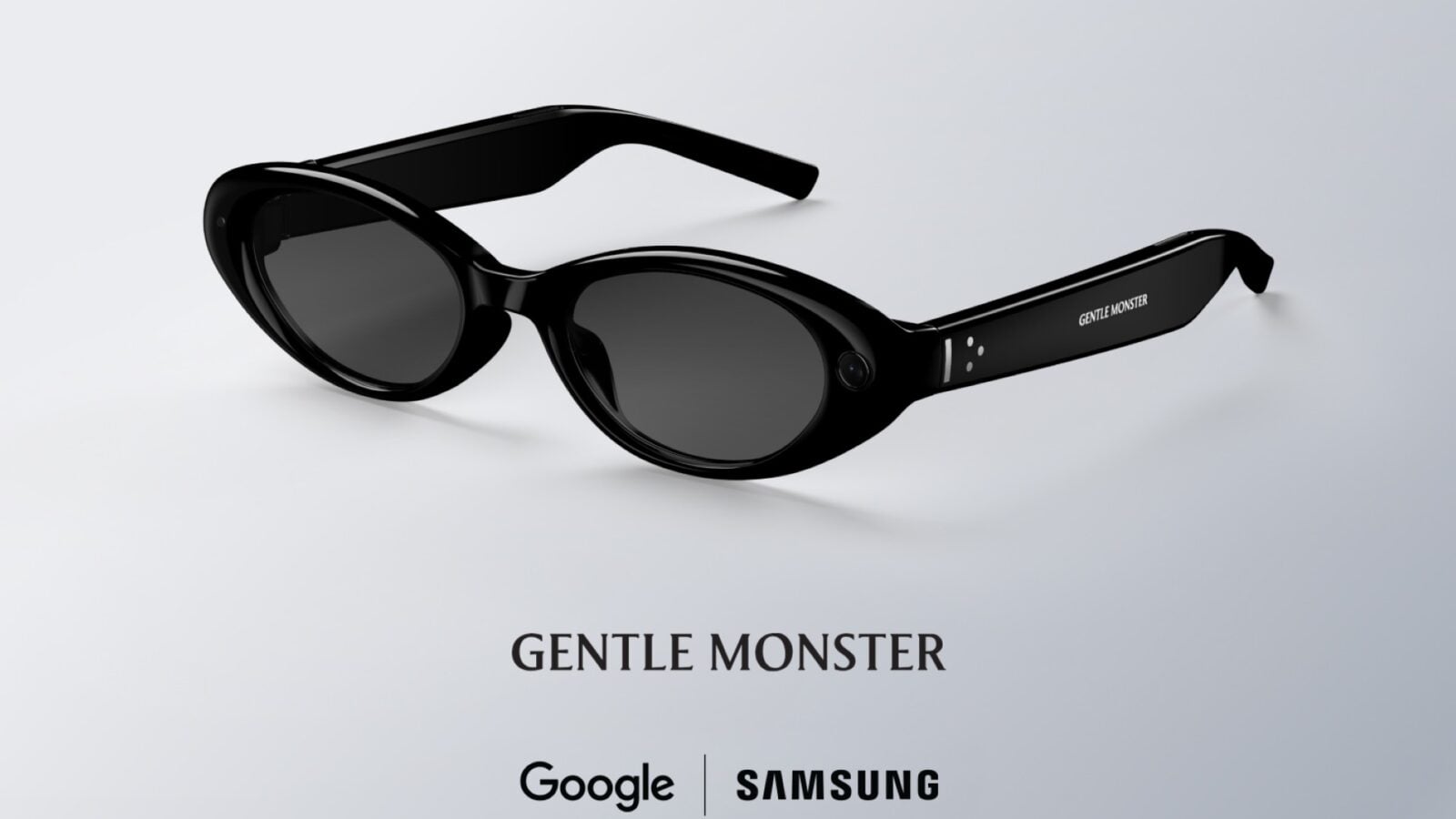
Samsung and Google unveil their first connected glasses running Android XR, expected in fall 2026. These glasses, co-developed with Gentle Monster and Warby Parker, aim to be discreet and functional, without replacing the smartphone. They integrate Gemini AI for hands-free interactions, simplifying daily tasks and being part of the Galaxy ecosystem.
On the occasion of Google I/O 2026, Samsung and Google lifted the veil on a project awaited for years: their first smart glasses running Android XR. A new bet to try to democratize AI on a daily basis without using a screen. The two brands finally evoke a clear horizon for the release: fall 2026.
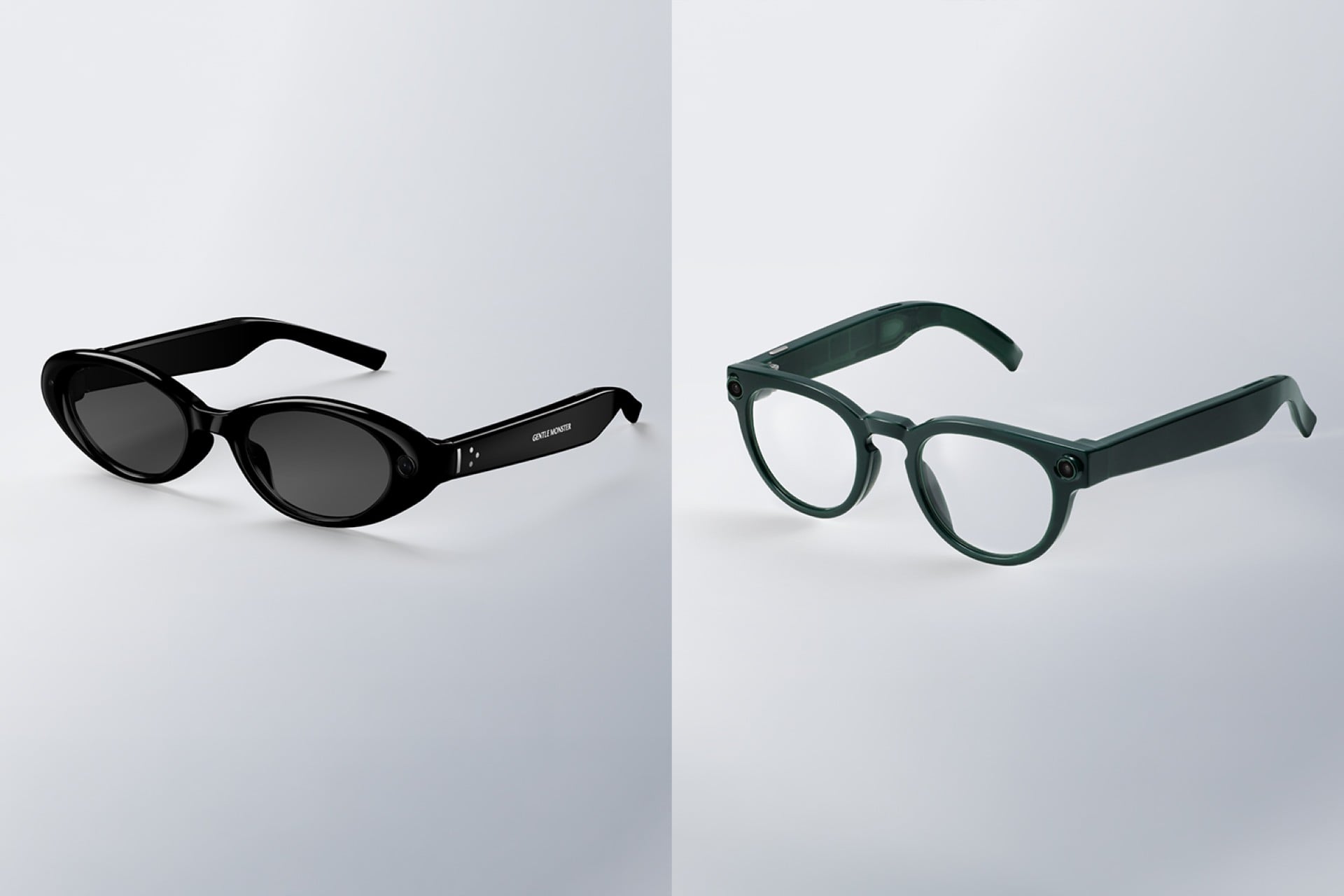
Designed as an extension of the smartphone rather than as an independent product, these connected glasses rely on a simple approach: remaining discreet, useful and easy to adopt. No bulky futuristic design here, but two high-end models co-developed with Gentle Monster and Warby Parker, two eyewear references.
Connected glasses… that look like glasses
This is undoubtedly the key point of this announcement: Samsung and Google want to avoid the pitfall of Google Glass. The two models presented play the style card above all.
Two trendy eyewear brands have been associated with the project since its formal presentation in April 2025 on the Google I/O stage. Gentle Monster brings a bold and avant-garde touch, while Warby Parker focuses on more classic frames, with an emphasis on comfort and optics. The idea is clear: to make technology forget and make it an everyday object.
Gemini at the heart of the experience
These glasses are based on Google’s AI, Gemini, which here becomes a sort of permanent assistant.
Concretely, the user can:
- Ask the voice for directions;
- Get suggestions in real time (a café nearby, an interesting place);
- Receive notification summaries;
- Add events to your calendar;
- Interact without taking out your smartphone.
Everything works in hands-free mode, with real-time context understanding. An ambitious promise: transform AI into a discreet companion rather than an application.
An accessory dependent on the smartphone
Unlike some more ambitious AR glasses, these don’t seek to replace the phone. They connect to it and integrate into the Galaxy ecosystem.
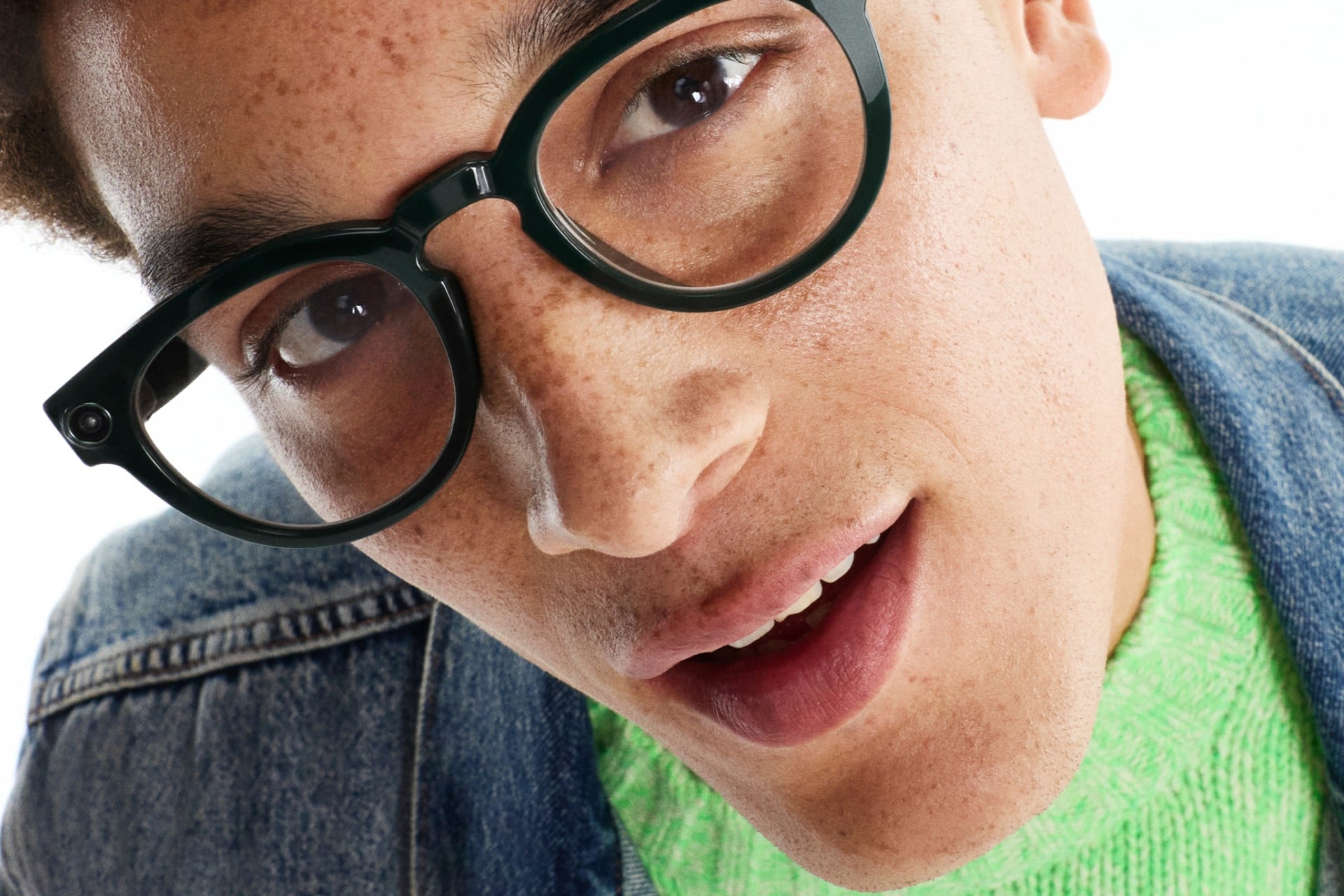
Result: they are mainly used to simplify everyday actions, without breaking their usage. Taking a photo, viewing information or interacting with notifications becomes more fluid… without taking out your mobile.
A new step for Android XR
This launch is part of Google’s broader strategy around Android XR. The objective is to multiply formats to integrate AI everywhere: smartphone, headset, and now glasses.
Samsung, for its part, sees this as a way to expand its Galaxy ecosystem with new uses, always centered on artificial intelligence.
A launch expected in the fall
For now, this is just a first look. Both companies promise more details in the coming months, with a launch planned for fall 2026.
There remains a major unknown: the price. Because if Samsung and Google really want to democratize these glasses, they will have to avoid the pitfall of premium gadgets that are out of reach. However, the models already existing on the market are not known to be particularly accessible. The Meta Ray Ban Gen 2s cost between 350 and 500 euros on average.
👉🏻 Follow tech news in real time: add 01net to your sources on Google, and subscribe to our WhatsApp channel.