We may receive a commission on purchases made from links.
While many people rely on solid state drives, or SSDs, for a variety of reasons (especially if they want their video games to load quickly), hard disk drives (HDDs) haven’t outlived their usefulness just yet. The biggest SSD has only a quarter of the capacity of a large HDD, and some manufacturers are now using helium to make HDDs more efficient. Yes, the same gas that makes your voice sound like Mickey Mouse improves HDDs.
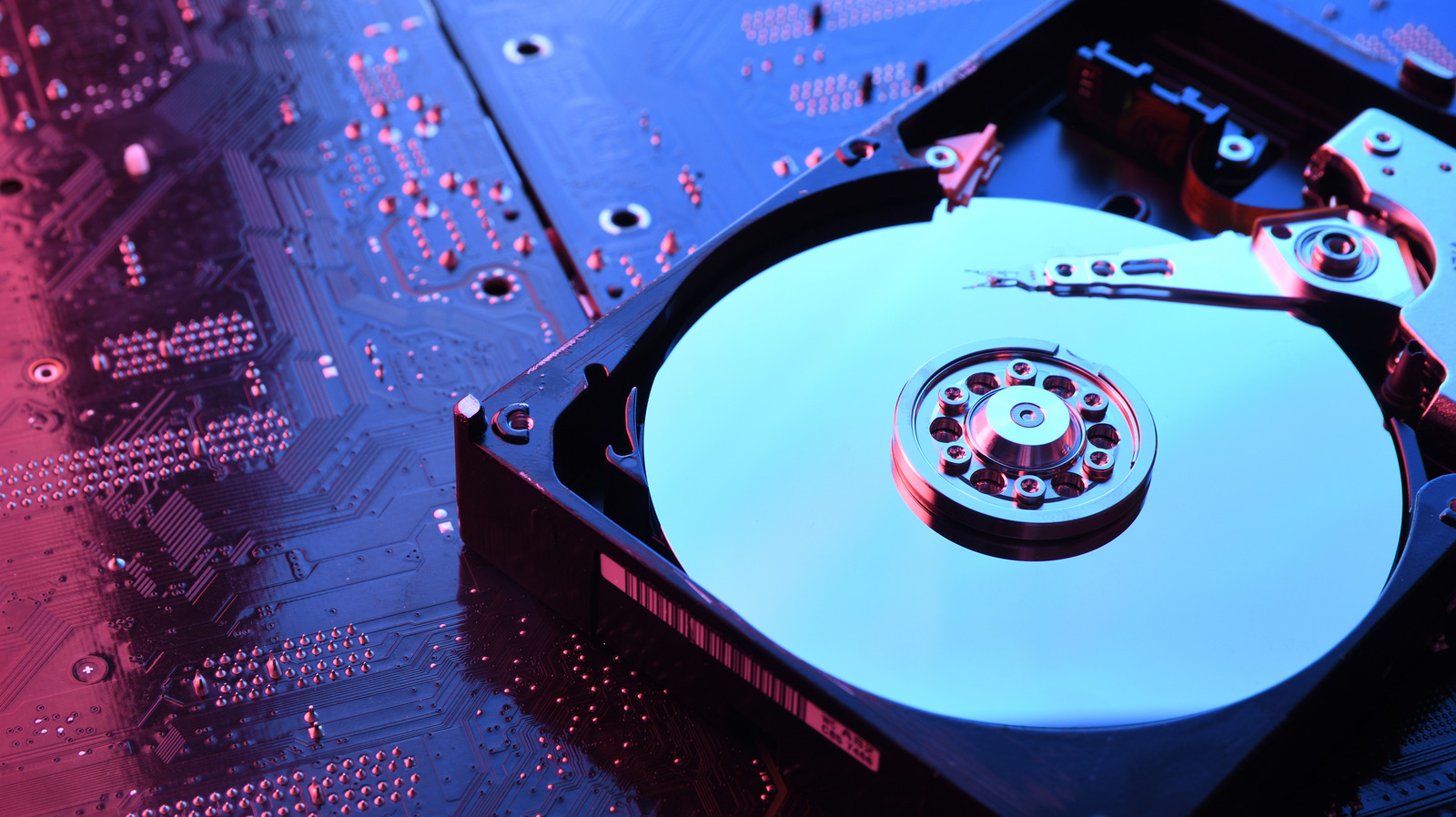
In 2013, Hitachi Global Storage Technologies introduced the world to the helium hard drive. The idea behind this unique design was that since helium is one-seventh as dense as air (it’s why your voice jumps several octaves whenever you breathe in helium), the enclosed mechanisms would experience less turbulence and friction. This allows manufacturers to use thinner HDD platters (the disks inside that actually store the data) and pack more of them into each enclosure.
In fact, the average standard HDD drive — which is filled with air — can hold up to six platters, but a helium HDD can hold as many as 10. This evolution of the design is not unlike how computer engineers shrunk HDDs in the past. Old computer hard drives were the size of a washing machine, but now they can fit in your pocket. Helium drives let designers shrink down platters on a new axis.
The pros and cons of a helium drive
Since helium is an inert gas, it isn’t flammable and won’t react negatively with any other gases in your computer. However, in order to function and keep the helium inside the component, these helium HDDs are hermetically sealed, which means they are more expensive to produce and thus cost more than an equivalent traditional HDD. Even a microscopic leak can render a helium drive inoperable. This design also makes it impossible to recover data outside of a specially designed cleanroom, and once the process is complete, the old drive is useless.
Even with those drawbacks, though, the design provides several benefits. As previously stated, helium drives produce less friction due to the low density of the gas compared to air. This means these components run cooler and quieter than the average HDD, and they are also more energy efficient — lower friction means less electricity spent spinning the platters up to speed.
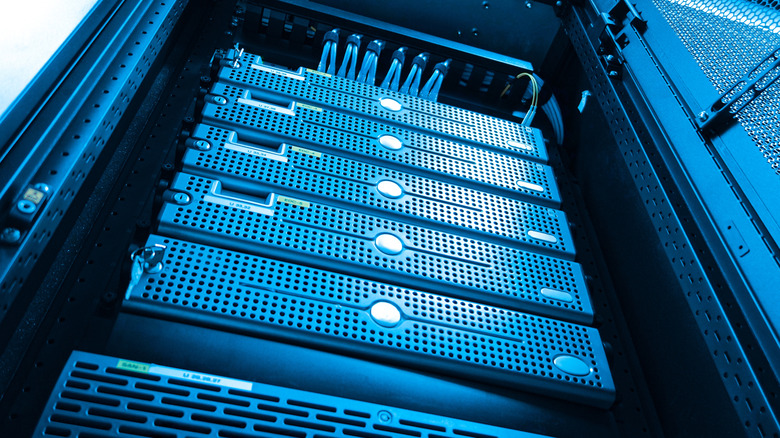
While helium drives are generally used for server storage, you can purchase them through retailers such as Amazon and use them in your computer or as an external storage solution. Just remember: Handle them with care to avoid any potential leaks.