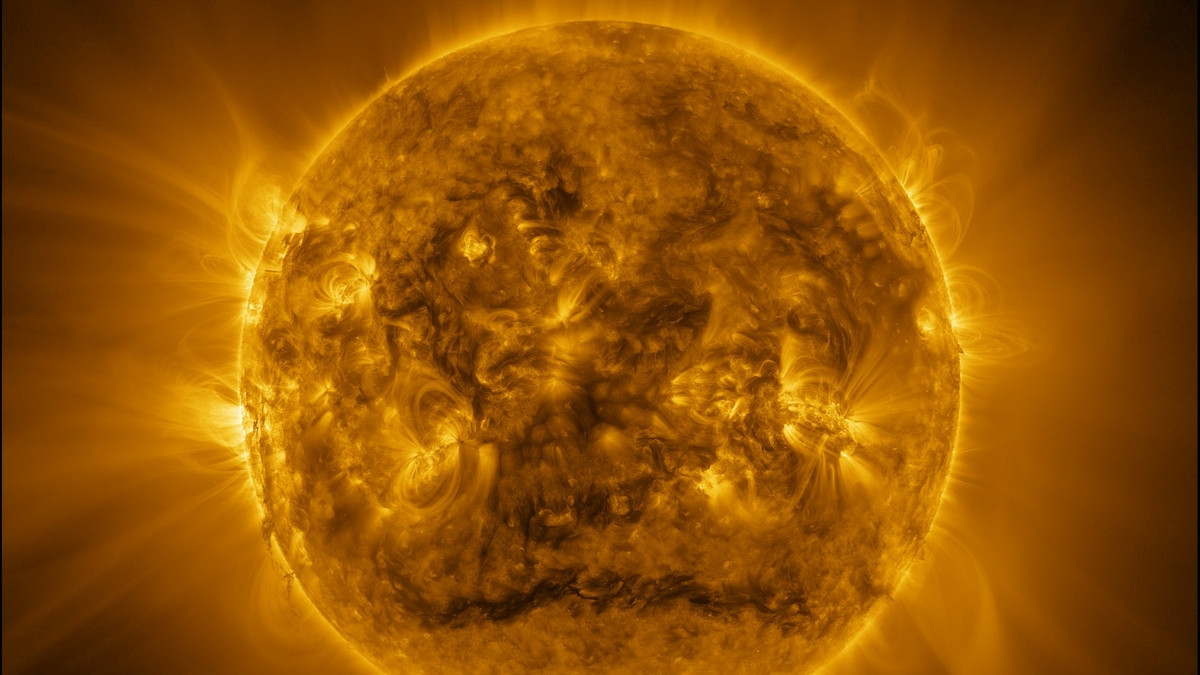
Humanity has always experienced space weather. We watch, we plan, we prepare for impact. Scientists led by Brian Walshfrom Boston University, want to change the rules of the game. Their concept, published in the journal Space Weatheris called StormWall. It’s no longer a question of taking in, but of fighting back. To move from a posture of simple observation to one active defense against the wrath of the sun which threatens our satellites, our electricity networks and our GPS.
How would this anti-storm “wall” work in practice?
The StormWall concept is based on a fleet of six satellites placed in geosynchronous orbit (an orbit that follows the rotation of the Earth). In the event of an alert of a Solar storm major, these devices would release a cargo of specific materials, such as barium or lithium. Once in space, sunlight takes care of the rest: it transforms this vapor into a plasma cloud electrically charged by a photoionization process.
This artificial plasma would then “inflate” the border of our natural shield. The goal is to disrupt magnetic reconnection, the phenomenon that acts as a gateway for devastating solar energy. Instead of rushing in, the energy flow would be forced to go around the Earth. It’s a bit like building a emergency dam before a flood arrives.
Is this project realistic or is it pure science fiction?
On paper, the physics holds up. Computer simulations, based on the violent storm of May 2024, show that the system could halve the power of a major event. Brian Walsh says: the launch technologies and the quantities of materials needed are already within our reach. But there is a “but”. The bill is particularly salty. It would be necessary to launch the equivalent of a dozen tank trucks equipment to protect our Magnetosphere.
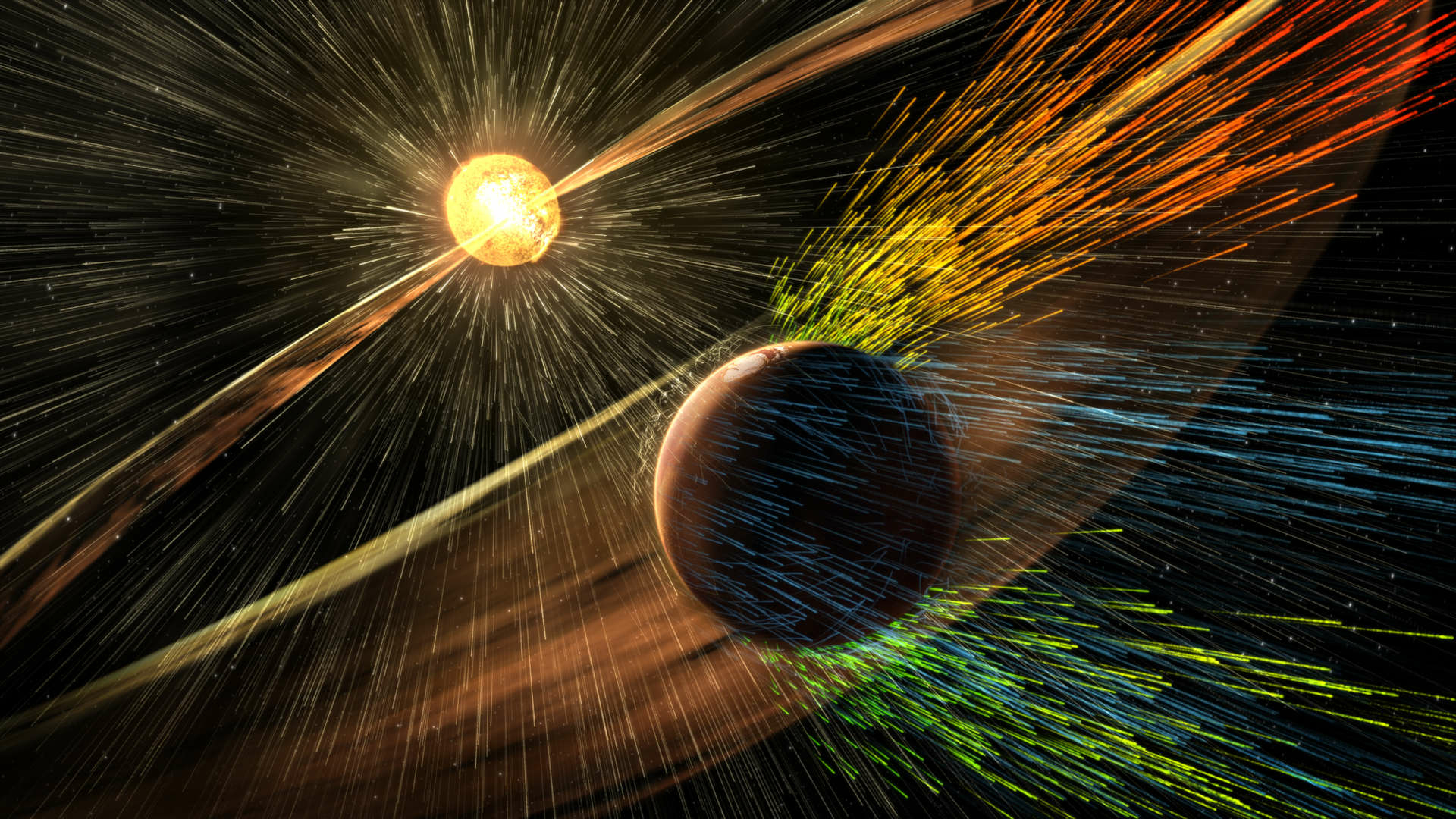
Worse still, the system is a single-use solution. Once the material has been released, the satellites are empty and must be recharged. However, given the potential cost of a Carrington-type storm (a 100-year event), estimated at more than 2.4 trillion dollars for electricity networks alone, the investment could suddenly seem much more reasonable.
What are the benefits and risks of such a planetary shield?
The main benefit is obvious: the protection of our vital infrastructure. GPS, banking transactions, communications networks, everything depends on satellites. THE space shield StormWall would be a universal insurance policy. And this is its strength: it could not protect a single country or a single group of satellites. It would be a protection globalebenefiting all humanity.
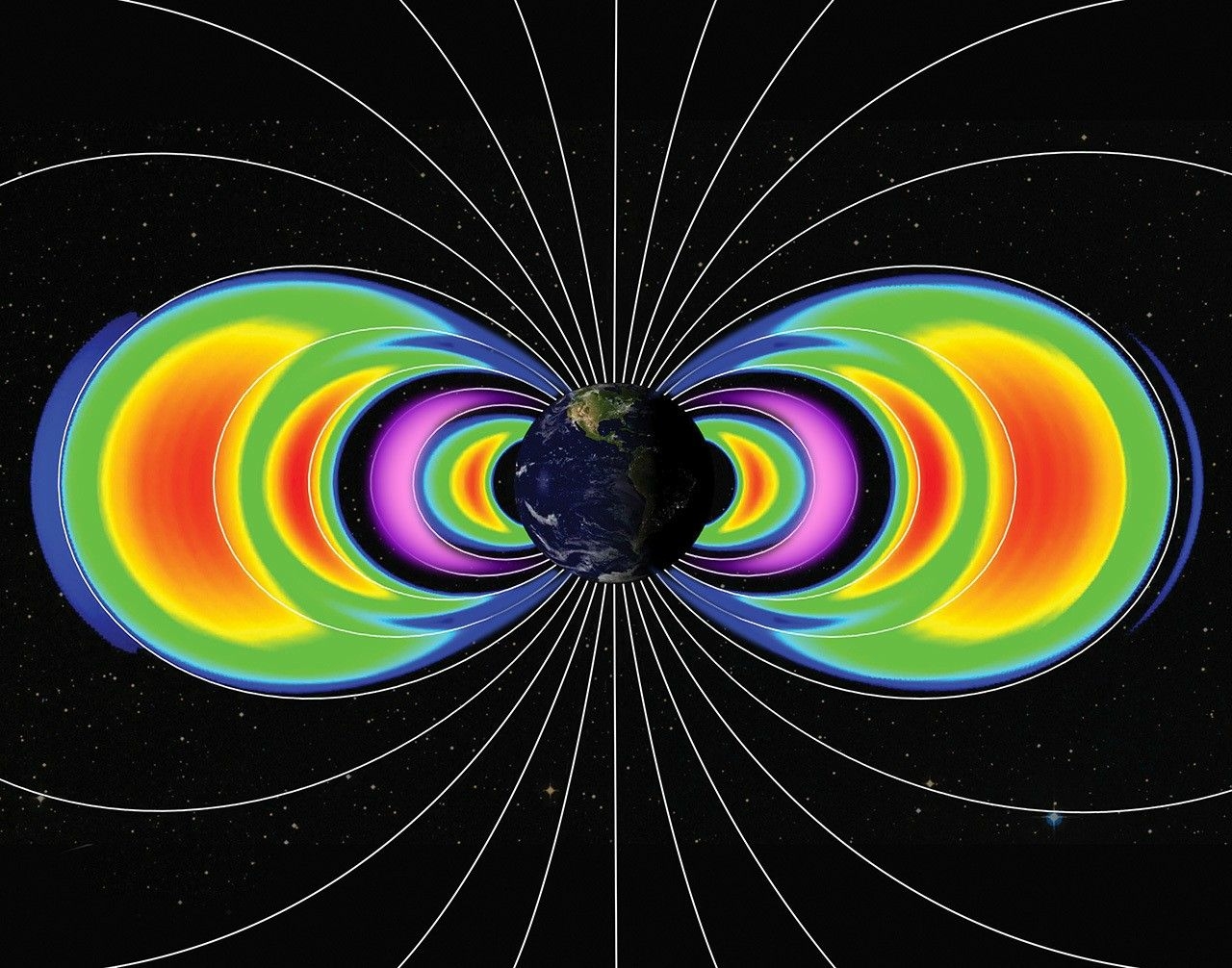
As for space pollution, researchers want to be reassuring. Unlike debris in low orbit, this artificial plasma would not remain. Driven by the solar wind, it would be “evacuated” from the system in about six hours. There remains a fundamental question: are we ready to embark on the spatial geoengineering on a large scale?
Frequently Asked Questions (FAQ)
What is a geomagnetic storm?
It is a major disruption of the Earth’s magnetosphere caused by a solar flare. These storms can cause spectacular northern lights but also fry satellites, disrupt radio communications and overload ground power networks.
Is the StormWall project already under construction?
No, absolutely not. For now, StormWall is a theoretical concept validated by computer simulations. There are no concrete funding or construction plans, but it opens a crucial debate about active planetary defense strategies.
Are there any alternatives to this project?
Until now, efforts have focused on passive measures: improving space weather prediction, strengthening satellite shielding and implementing contingency plans for power grids. StormWall is one of the first active defense proposals on this scale.