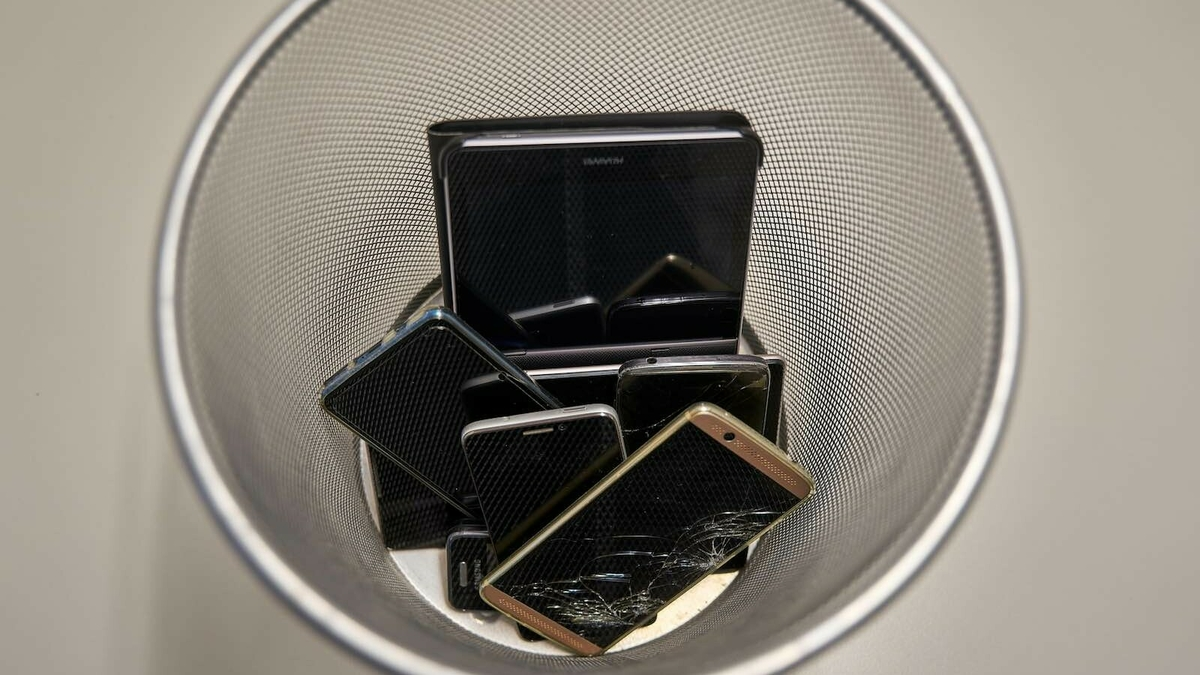
The Chinese Ministry of Commerce has revealed dizzying figures. As of April 12, 2026, its national recovery program electronic equipment and household appliances generated more than 502 billion yuan in sales, or approximately 63 billion euros. This performance, achieved in barely three months, benefited nearly 70 million purchasesmaking this device a real consumption machine disguised as a recycling initiative.
What is the mechanism behind this Chinese success?
The Beijing model is simple and direct: transforming the act of recycling into a advantageous financial transaction for the citizen. The state reimburses up to 15% of the purchase price of a new digital device, with a ceiling of 500 yuan (around 62 euros). For energy-efficient household appliances, the bonus can reach 1,500 yuan (190 euros), a powerful incentive.
This program, which has existed since 2024, is specific to the Chine and is financed by sovereign bonds in the very long term, with a budget of 31 billion euros for 2026. Of the 70 million subsidized purchases, 41 million concern digital products such as smartphones or tablets, generating 15 billion euros in revenue.
What is Europe’s strategy in the face of this steamroller?
L’European Union approaches the issue of electronic waste from a radically different angle. The European approach is based on the WEEE (Waste Electrical and Electronic Equipment) directive, which emphasizes producer responsibility. Manufacturers are therefore required to finance the collection and treatment of devices at the end of their life.
Unlike the Chinese model, European consumers do not receive any state bonus for returning their old phone. If buyback channels exist via operators or the reconditioning market, these are private commercial transactions limited to devices that still have a market value. For the rest, the approach is essentially based on goodwill and civic sense. On the one hand, a public checkbook to stimulate the economy and industrial transformation; on the other, a regulatory framework to reduce waste at source.
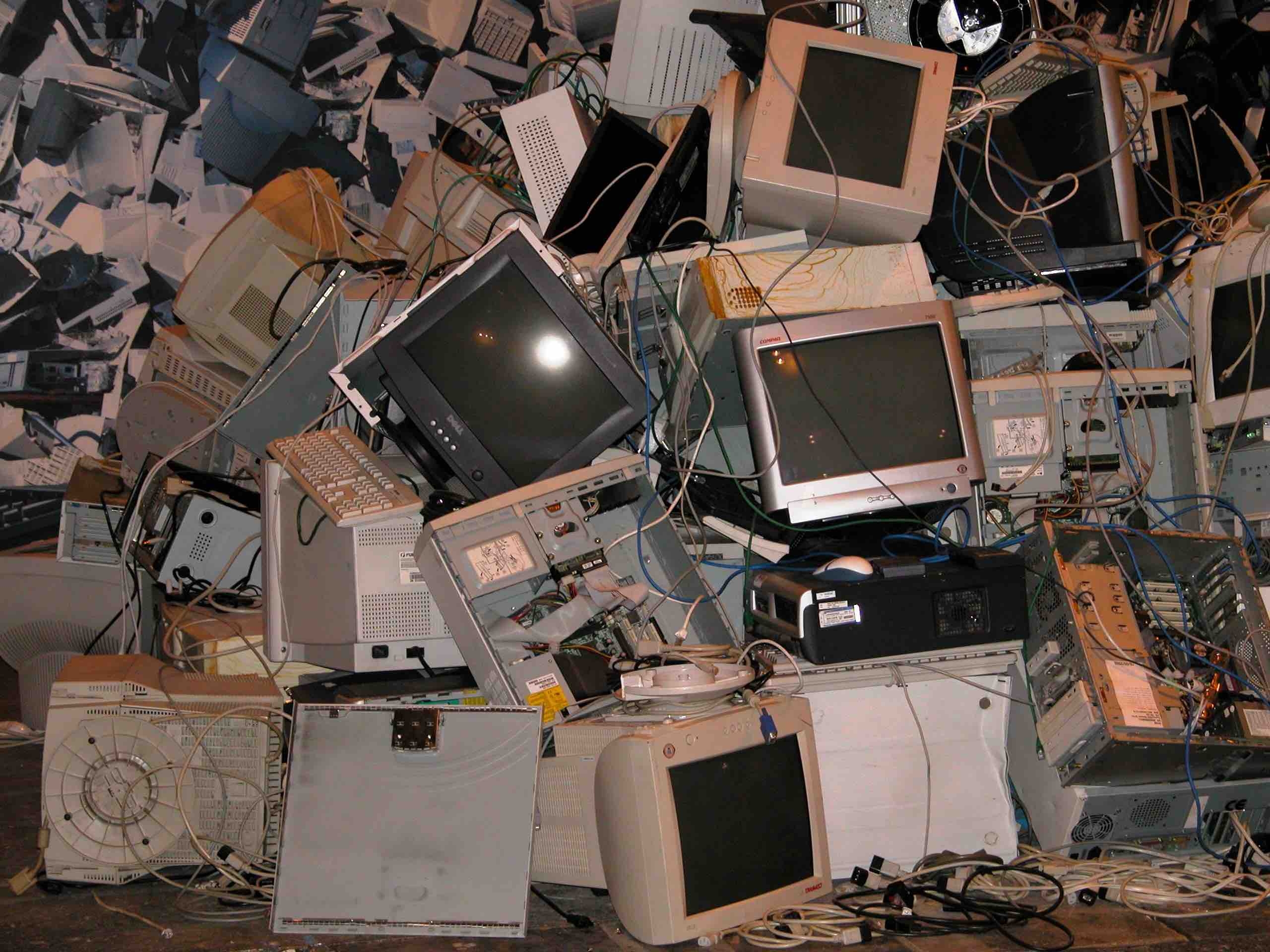
Not really, because they don’t play with the same tools. On the one hand, China uses fiscal leverage to stimulate its growth : in just three months, 41 million digital productss have been exchanged, a scale that dwarfs European initiatives. For example, the EcoVoucher program in Moldova made it possible to replace 40,000 devices; a targeted and laudable action, but incommensurate with the Chinese strike force.
Their goals also diverge. China is banking on public aid to accelerate technological renewal and support its sales. Conversely, Europe favors regulation for promote repair and limit waste. If the Chinese approach is criticized for its incentive to build something new, its financial effectiveness is undeniable: faced with the 31 billion euros injected by Beijing, Europe chooses to transform the market by law.