The Generalitat of Catalonia, the Institut d’Estudis Espacials de Catalunya (IEEC) and the Vall d’Hebron Institut de Recerca (VHIR) have just announced a citizen science initiative aimed at analyzing how a total solar eclipse affects the health and physiology of human beings. There is plenty of data on how these astronomical phenomena affect other animals, but there is hardly any information about humans. For this reason, these institutions have launched the Solaris application, with which they hope to gather around 5,000 people to participate in a study whose results will be known at the end of September.
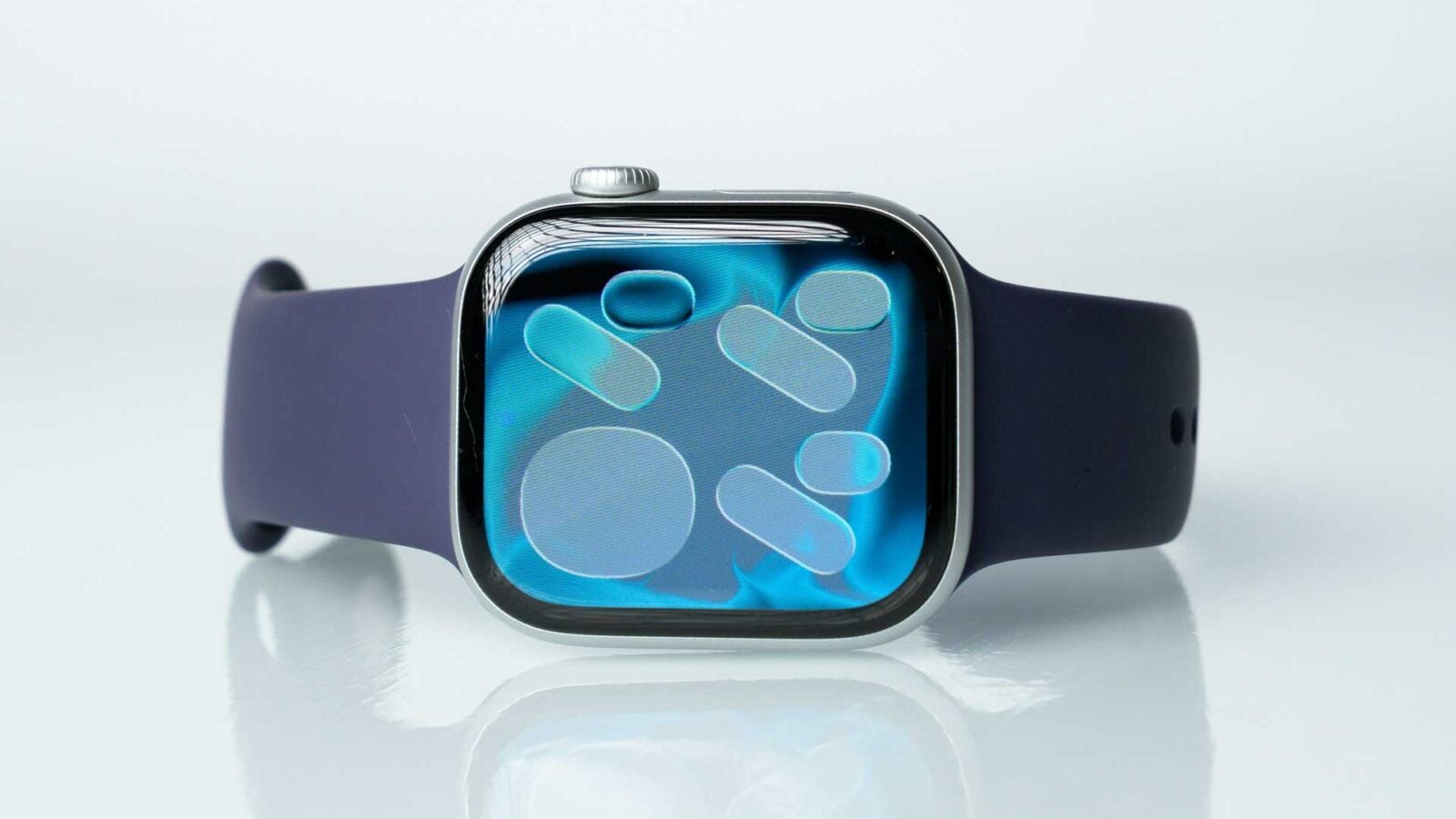
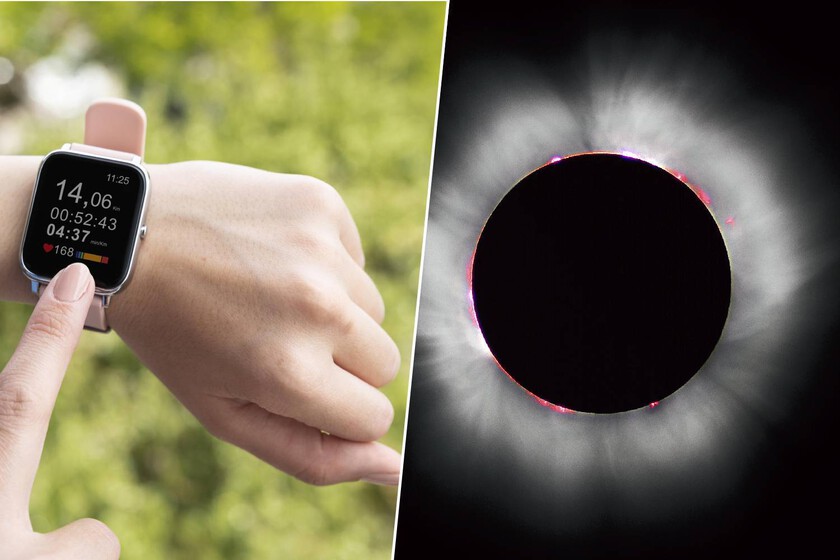
The requirements. To participate in this citizen science project you must meet a series of requirements. First of all, you need to download the Solaris application and have a smartwatch or any similar activity device that measures, at a minimum, heart rate. Data must be taken for five consecutive days: the two days before the solar eclipse on August 12, 2026, the day of the eclipse and the two days after. It is important that the recordings have time references and, also, that intense exercise is not practiced during the measurements.
What you want to measure. Mainly, those responsible for this research are interested in knowing how experiencing a solar eclipse affects heart rate and respiratory rate. Two important factors coincide in this type of event. On the one hand, the excitement of seeing something new, which on many occasions has never been witnessed before. And, on the other, the incoherence of a short dusk in the middle of the day. The fact that light disappears when it is not appropriate and then appears again a few minutes later can affect the mechanisms involved in circadian rhythms. It is true that it is something very specific, but it would be interesting to see if detectable effects actually occur at a physiological level.
The results. The total solar eclipse will take place on August 12. Once the application is synchronized with the smart watch, the data reaches the researchers directly, thanks to OneCareAI technology, which allows data to be collected safely and anonymously. Once all the data has been collected, it will be processed to carry out a first draft of the study, which will be made public at the end of September. It won’t take long for participants to know the results.
And what about the animals? There is a lot of documented information about how a total solar eclipse affects animals. For example, it has been seen that birds sing a lot, dogs bark and cattle go to the stables, only to return to the pasture again. Activity has also been detected in nocturnal animals, such as bats or some birds. When daylight comes, they return to their hiding places, clearly confused. It has even been documented how eclipses affect some plants, which normally tend to open their flowers at night. Although it is not yet time, we often see how the flowers are seen ahead of time due to the darkness.
Beyond all this, we have no idea how the solar eclipse will affect ourselves. Thanks to this Catalan study, we will have information for the first time. Nothing like it has ever been done in the entire world. Do you dare to participate?
Image | Magnificent
In | A third of Spain will be completely dark for a minute or two. The astronomical event of the century is approaching